
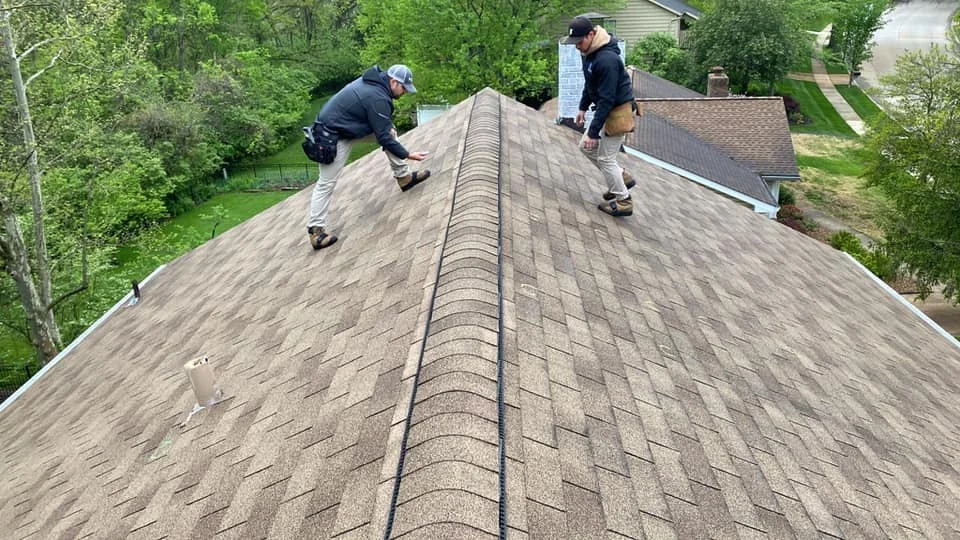
A roofing insurance supplement is a request for the carrier to review additional roof-related damage, work, materials, or costs that were not fully addressed in the initial estimate. It is usually supported by a supplemental estimate and evidence explaining why the additional work is needed. The request and any additional payment the insurer later approves are different stages.
The request does not automatically increase the settlement. The insurance carrier determines coverage, accepts or rejects the proposed items, and calculates any payment under the policy. AMP can document roof conditions and explain its proposed construction scope. It does not decide whether the policy covers that work.
Why the first estimate may change
A roof cannot always be fully evaluated from the first inspection. The original estimate may describe visible storm damage, while removal later exposes a condition that needs additional work. A measurement may also need correction, or two estimates may describe different materials or quantities.
These possibilities do not mean every first estimate is wrong. They mean a difference should be explained item by item. A supplement is most useful when it connects a specific proposed change to a documented condition, rather than simply stating that the contractor's total is higher. The original contractor proposal and the carrier estimate should be compared by roof area, quantity, and included detail—not only by their final totals.
For example, “additional decking needed” leaves several questions unanswered. An explanation should identify where the condition was found, what photographs show, how much work is proposed, and how its cost was calculated. Whether that item is covered is a separate carrier decision.
Common reasons for a roof-related supplement
Measurements and material quantities
An estimate may need review when its measured roof area or quantities differ from a verified measurement. The contractor should identify the discrepancy and show the measurement used. Roof area and the materials ordered are not necessarily identical quantities because project details affect the material calculation.
Ask which quantities changed and why. State Farm's roof-claims guidance calls for a detailed estimate with material quantities, labor charges, and work specifications; it is a useful starting point for comparing two documents. A clear comparison helps you distinguish a measurement correction from an optional material change or a different scope of work.
Additional damage or work discovered during removal
Some conditions are concealed by the roof covering. If removal exposes an issue, the contractor can photograph it and describe the proposed work. Contact the carrier about the process for reviewing newly discovered conditions, including whether it needs another inspection.
Do not assume concealed damage is automatically insured. Its cause, the policy, and the carrier's findings matter. Necessary construction work and covered claim work are related questions, but they are not always the same set of items.
Missing roof details
A comparison may identify differences involving flashing, starter shingles, ridge caps, penetrations, or other asphalt roofing-system components. The contractor should explain how the proposed detail relates to the roof and provide an itemized description of the work.
“A roof needs this component” is not a complete coverage explanation. The carrier still evaluates the loss and applicable policy provisions. Homeowners should ask whether the item has been accepted before relying on insurance funds to pay for it.
Code-related work
Applicable code requirements may affect a repair or replacement. When code is the reason for additional work, the request should identify the relevant requirement and explain how it applies to this building and project. Avoid relying on a generic claim that every roof in a city needs the same upgrade.
Insurance payment for code-related costs depends on the policy, including any relevant ordinance-or-law coverage, limits, and conditions. Ask the insurer to explain that coverage rather than assuming that a construction requirement guarantees payment.
What useful documentation includes
A homeowner can ask for a copy of the materials submitted for review. A practical supplement file may include:
- The original estimate and the specific line items being questioned.
- Dated photographs showing the condition and its location.
- Measurements or quantities that support the proposed work.
- An itemized supplemental estimate with materials, labor, and costs.
- Applicable manufacturer instructions or code references when relevant.
- The carrier's response and any revised estimate.
Keep a simple review status for each proposed item: submitted, more information requested, accepted, or declined. Save the dated response that supports that status; a verbal discussion and a revised written estimate are not interchangeable. This record makes the request easier to follow. It also lets you distinguish an item awaiting review from one already accepted. Photographs should show the condition clearly; a general picture of the house may not explain why a particular detail needs work.
How carrier review works
Ask your claim contact how to submit additional information, whether another inspection is required, and what should happen before disputed permanent work proceeds. Missouri's insurance department explains supplemental claims and review, including inspection and approval of additional work before repairs are completed. Ask what evidence must be preserved for any reinspection.
The carrier may accept an item, ask for more information, revise the amount, or decline it. Keep written responses with the claim file and ask for an explanation when the decision is unclear. There is no universal supplement approval rate or turnaround time to apply to your roof.
If work is needed urgently to prevent further damage, discuss temporary protection and required documentation with the carrier. Do not leave an active leak unaddressed merely because a permanent-work estimate is still being reviewed.
Does a supplement change the deductible?
A supplement does not waive the policy deductible. It also does not turn an excluded item or an optional upgrade into covered work. Ask the carrier for the revised payment calculation and ask the contractor which project costs remain your responsibility.
Our roof claim payments guide explains how the deductible, depreciation, and eligible final payments fit together. Review the contractor's scope and payment terms alongside the carrier's estimate before authorizing changes. Keep those documents separate so an accepted claim item does not get confused with every item in a construction contract.
Where AMP fits in
AMP's insurance claims support includes roof inspections and documentation of visible conditions and proposed roof-related work. AMP can explain why a construction item is included in its proposal and provide information for the carrier to review. The insurer remains responsible for coverage and payment decisions.
For homeowners in Greater St. Louis, Springfield, and the Kansas City Metro, talk with AMP about documenting roof conditions. Bring the current estimate and carrier correspondence so the discussion can focus on specific questions. No inspection or supplement submission guarantees an increased settlement.