
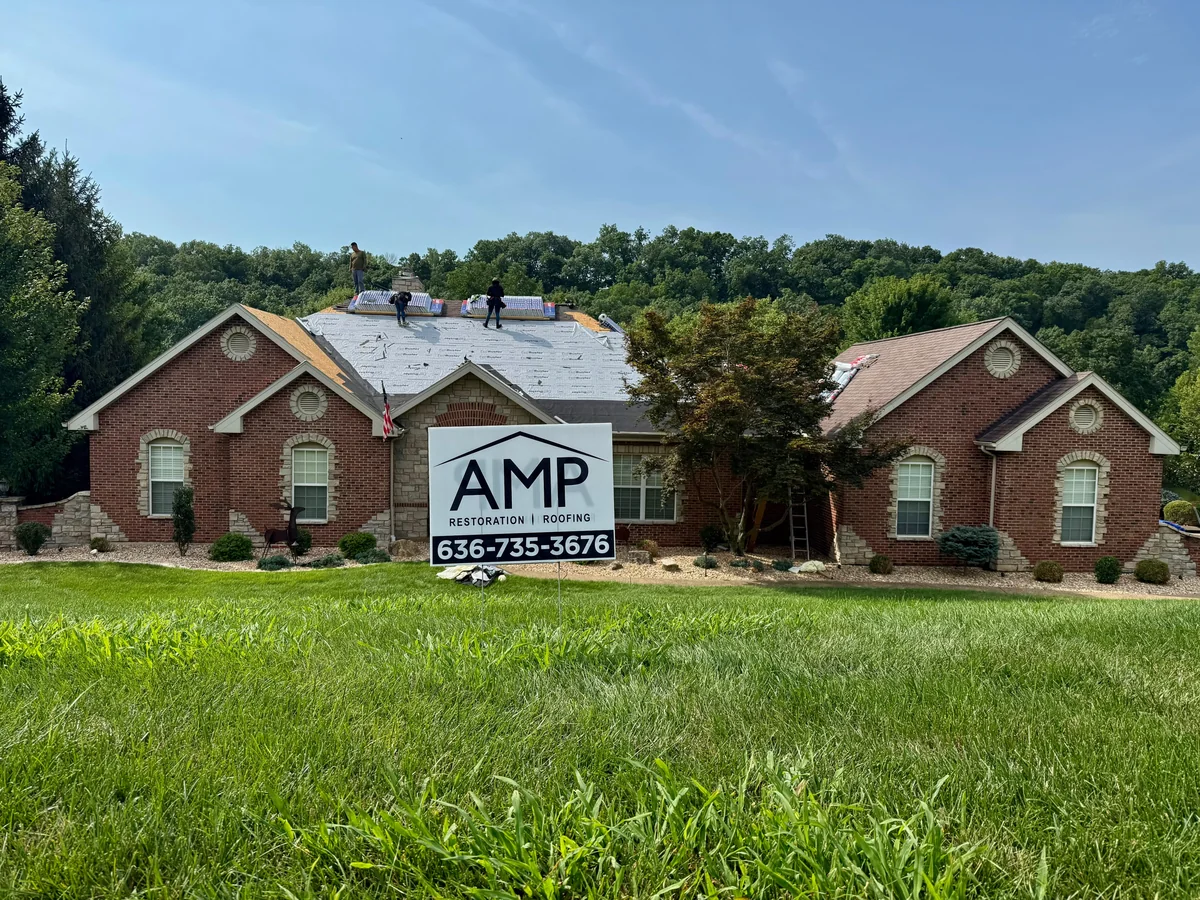
An asphalt shingle roof is a system of components that support the roof, shed water, protect vulnerable transitions, and manage airflow where the design calls for it. Shingles are the most visible part, but an estimate that only names the shingle brand leaves important questions unanswered.
This guide explains the main components and gives you practical questions to ask before a repair or replacement. Roof assemblies vary with slope, building design, climate, local code, manufacturer instructions, and installation details. Some components sit in layers; others belong at edges, joints, or ventilation openings. Every roof does not contain identical materials.
Roof decking: the structural surface below the covering
Decking, also called roof sheathing, is the surface that supports the roof covering and receives its fasteners. Depending on the building, it may consist of plywood, oriented strand board, or boards. It must provide an appropriate base for the roofing material being installed.
Some decking conditions become fully visible only after the old covering is removed. When comparing estimates, ask how deteriorated decking will be identified, photographed, priced, and authorized if discovered during the project. A clear process for additional work helps you understand why the final scope may differ from an initial view of the roof.
Leak barriers: protection at selected vulnerable areas
A self-adhered membrane, often called a leak barrier or ice-and-water shield, provides additional protection in areas vulnerable to water intrusion. Depending on the requirements and design, that may include eaves, valleys, or locations around penetrations.
Placement should follow the applicable code and the selected manufacturer's instructions. A leak barrier is not automatically required across the entire surface of every asphalt roof. It also does not prevent ice from forming. Its role is to help protect the assembly where water may back up or find a vulnerable route.
Ask which locations are included in the estimate and why. GAF's guide to leak barriers in valleys explains how this component supports a particular roof detail.
Underlayment: a secondary protective covering
Underlayment is installed beneath the shingles as part of the roof assembly. Products include asphalt-saturated felt and synthetic materials. It provides secondary protection, with installation and exposure limits that depend on the product.
It does not make the finished shingles or flashing optional, and an exposed underlayment should not be treated as a permanent roof. Ask the contractor to identify the product and explain how laps, transitions, and any temporary exposure will be handled. “Underlayment included” is less informative than an estimate that names the material and describes the work.
Starter shingles: a detail at the roof edges
Starter strip shingles are designed for use beneath the first course of field shingles at specified edges. Their positioning and sealant help support the edge detail and the shingles above it. Installation at eaves and rakes should follow the roofing manufacturer's instructions.
Because the starter is mostly hidden in the finished roof, it is easy to overlook in a discussion focused on color. Ask what starter product will be used and whether the estimate includes the locations required for the selected shingle system.
Field shingles: the visible roof covering
Field shingles cover the main roof planes. Asphalt shingles combine a reinforcing mat, asphalt, and a mineral granule surface. Product style, approved installation, fastener placement, and roof conditions all contribute to the finished result.
Our roof granules guide explains the protective surface you see on the shingles. When selecting a product, compare the specific shingle rather than assuming every architectural shingle has the same specifications. Color is one choice; the product's installation requirements and fit for the roof are separate questions.
Ridge cap shingles: finishing hips and ridges
Ridge caps cover the places where roof planes meet at hips and ridges. These areas need a compatible detail rather than simply continuing field shingles across every junction. The selected cap product and installation method should match the manufacturer's requirements.
Where a ridge vent is part of a vented attic design, the cap and vent form a coordinated detail. Ask which cap product is included and how any ridge ventilation will be incorporated. Do not assume a roof ridge automatically contains a vent.
Flashing: directing water at transitions
Flashing helps direct water away from vulnerable joints and intersections. Roof-to-wall connections, chimneys, skylights, and other penetrations each need details suited to their location. Edge metal, including drip edge where required, helps manage runoff at the perimeter.
A flashing problem can cause a leak while the surrounding shingles still look serviceable. Replacement decisions depend on the condition and suitability of the existing materials and applicable requirements. Ask which flashing and edge details will be replaced, which may remain, and how the contractor will assess them. GAF's roof flashing explanation describes common locations and purposes.
Ventilation: part of the roof's design
In a vented attic assembly, intake and exhaust openings work together to provide an airflow path. Simply adding an exhaust vent does not establish that the roof has sufficient intake or that the path is unobstructed. Other assemblies are designed differently and should not receive a generic ventilation prescription.
Ask how the existing design will be evaluated, including intake, exhaust, and obstructions. Appropriate choices depend on the assembly and applicable requirements. GAF's ventilation guidance explains why the configuration matters.
How to compare two roofing estimates
Before comparing only the bottom-line price, check whether both estimates describe the same work:
- Removal of the existing covering and handling of discovered decking issues.
- Underlayment and the proposed leak-barrier locations.
- Starter, field shingles, and ridge cap products.
- Flashing, penetrations, valleys, and edge details.
- Ventilation assessment and any specified changes.
- Cleanup, completion documentation, and the exact warranty terms offered.
Manufacturer warranty eligibility can depend on particular products and installation requirements. A generic component list does not establish eligibility for an enhanced warranty. AMP's existing GAF roofing-system article introduces warranty questions; request the current written warranty for the actual proposal before deciding.
Have questions about your roofing system?
AMP provides residential roofing inspections and project options across Greater St. Louis, Springfield, and the Kansas City Metro. Talk with AMP about your roof if you want help understanding its condition or comparing a proposed scope. Ask for an explanation of the components that apply to your home, including what can be checked now and what may only become visible during removal.
Planning roofing work in Chesterfield or Greater St. Louis? Review AMP’s roof repair and replacement options and local service information, then contact the team about your property.